
The market situation. Clear trends, clear signals
The beverage market is undergoing fundamental rather than isolated changes. Demographic change means that fewer consumers are buying smaller quantities. The traditional weekend stock-up shop is becoming less important, while several smaller shopping trips per week are becoming the norm.
At the same time, brand loyalty is noticeably declining. Younger target groups in particular are switching more quickly, trying out new things, and questioning established brands. Specialty drinks such as cola-orange, non-alcoholic beverages, etc., and their presentation in multipacks that only require a crate for transport are gaining relevance and diversity. At the same time, branded goods are coming under increasing pressure because they are listed in discount stores and are in direct competition with private labels, often accompanied by comparative advertising and clear price transparency.
The conflict of objectives. Irresolvable with traditional solutions
These developments create a balancing act that many systems are unable to perform.
Brands need to differentiate themselves more strongly, both visually and in terms of price, and are therefore focusing on individual packaging for bottles and crates. At the same time, the market demands smaller, more compact, and higher-quality packaging units that are easy to transport and handle.
This contrasts with operational requirements that have exactly the opposite effect. Processes need to be standardized and optimized, and sustainability is no longer an optional argument but an economic necessity. Transportation must be made more efficient, resources conserved, and CO₂ emissions reduced. New transportation systems are needed, but they must not destabilize existing processes.
The reality in the market. Structural barriers
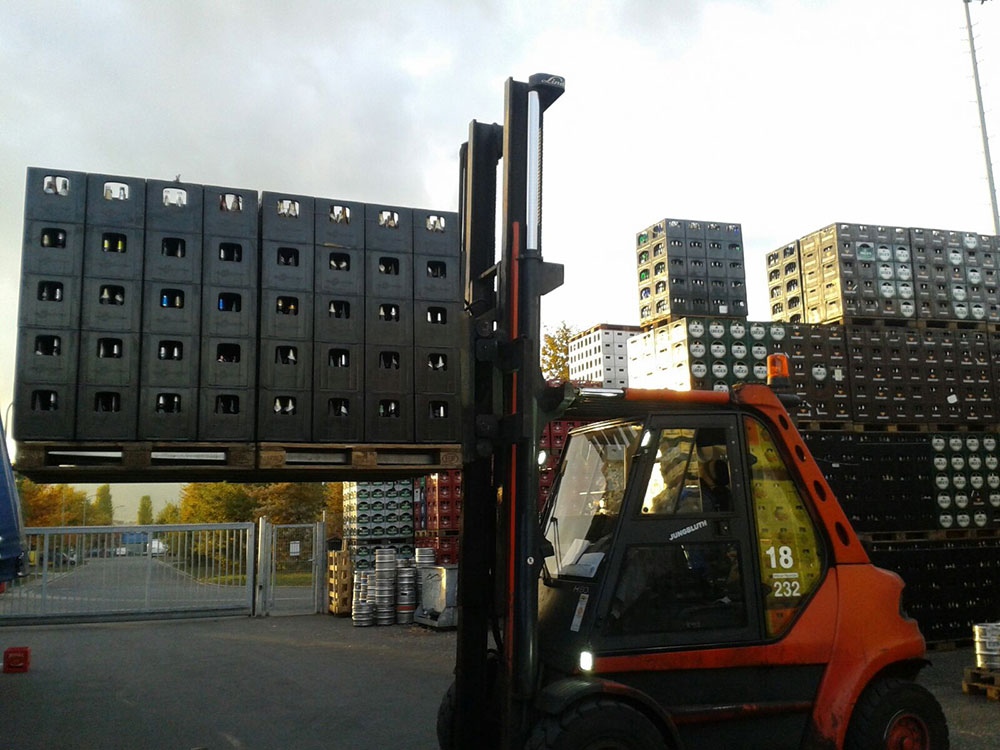
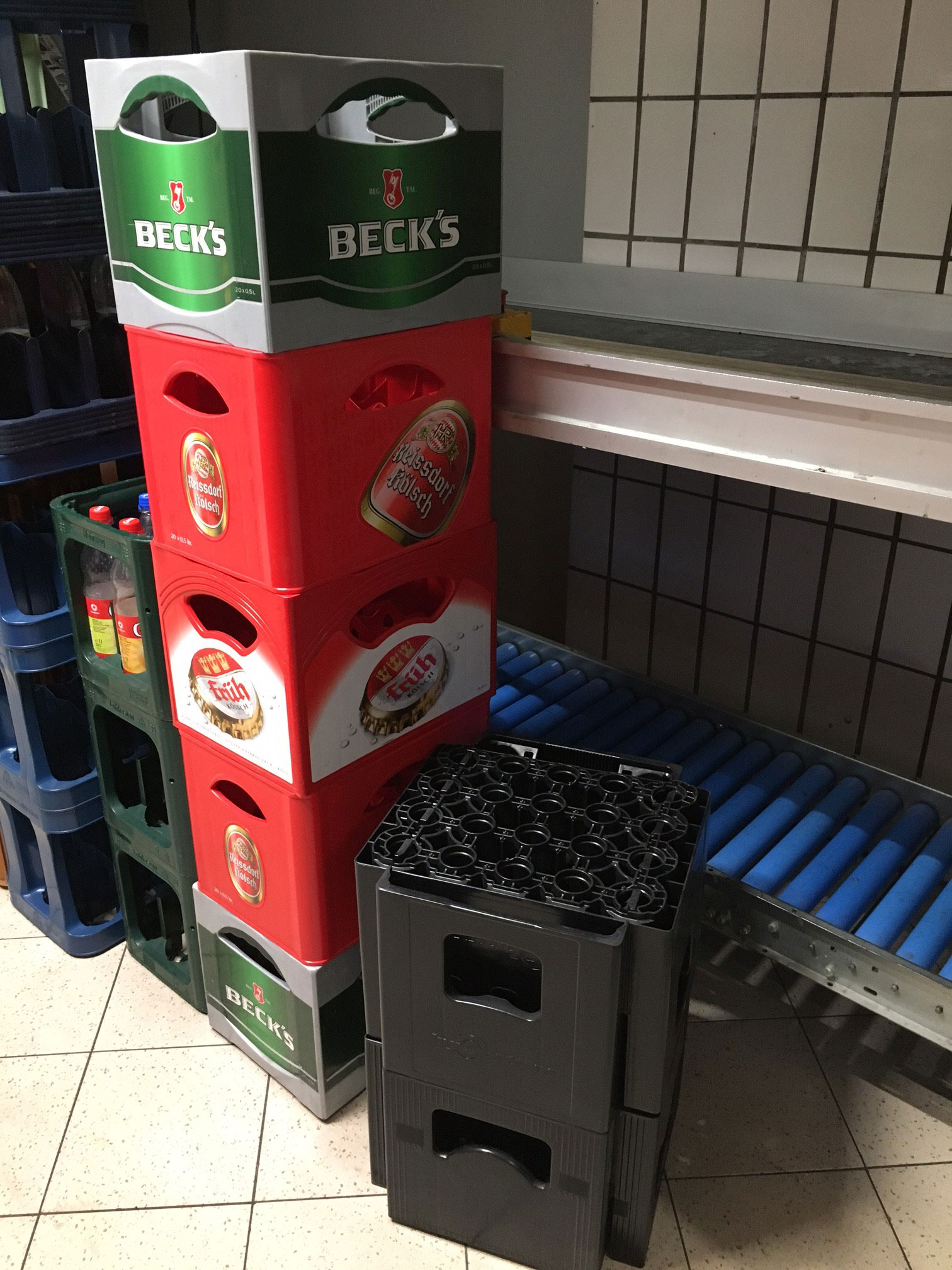
In practice, these requirements are subject to clear restrictions. Promotional marketing and multipacks are predominantly carried out using disposable displays on ¼ pallets. Trays are not common practice in Germany, which has corresponding consequences. Many filling plants are not technically equipped to process such systems.
Added to this is a logistical break. The place of purchase and the place of return of containers are often not identical. Primary and secondary packaging are located at different points in the value chain. The result is a large number of stray individual bottles on the market, which take up space, disrupt processes, and incur costs.
Breweries are increasingly turning to simple crates for transporting multipacks – and this is exactly where KUBI comes in, even in the full goods sector. KUBI not only works on sorting systems, but also just as reliably on filling systems.
The KUBI approach: functionality without system disruption
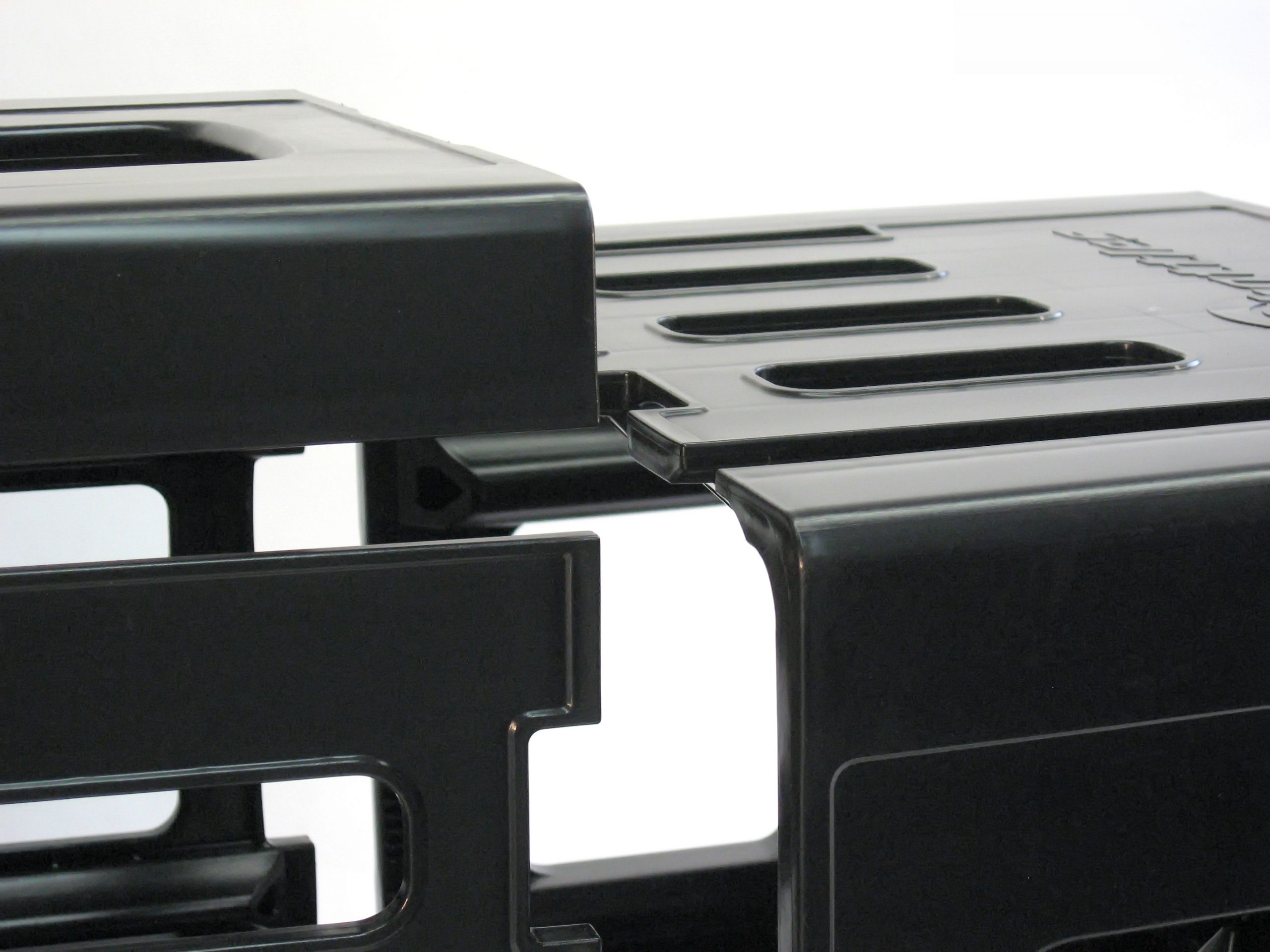
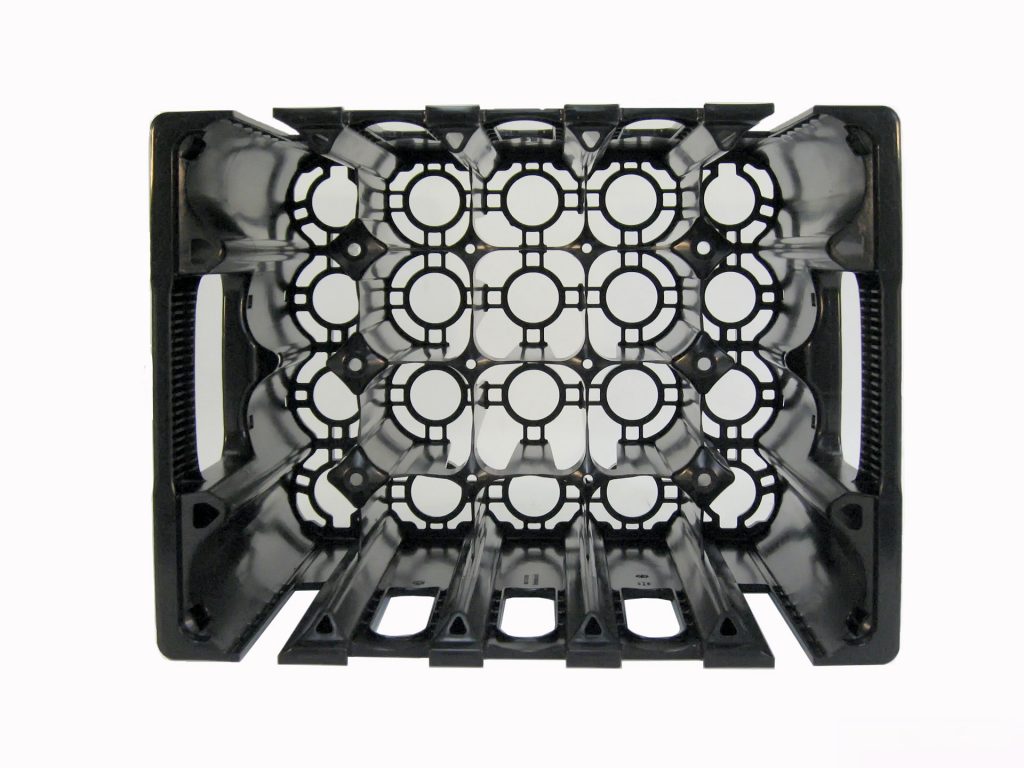
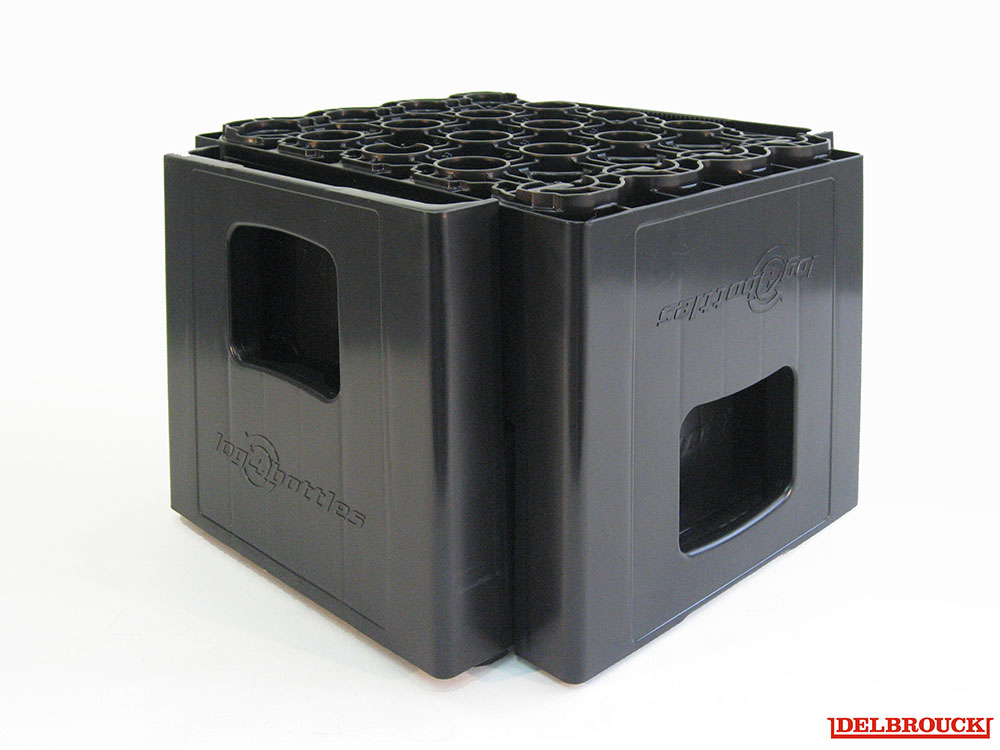
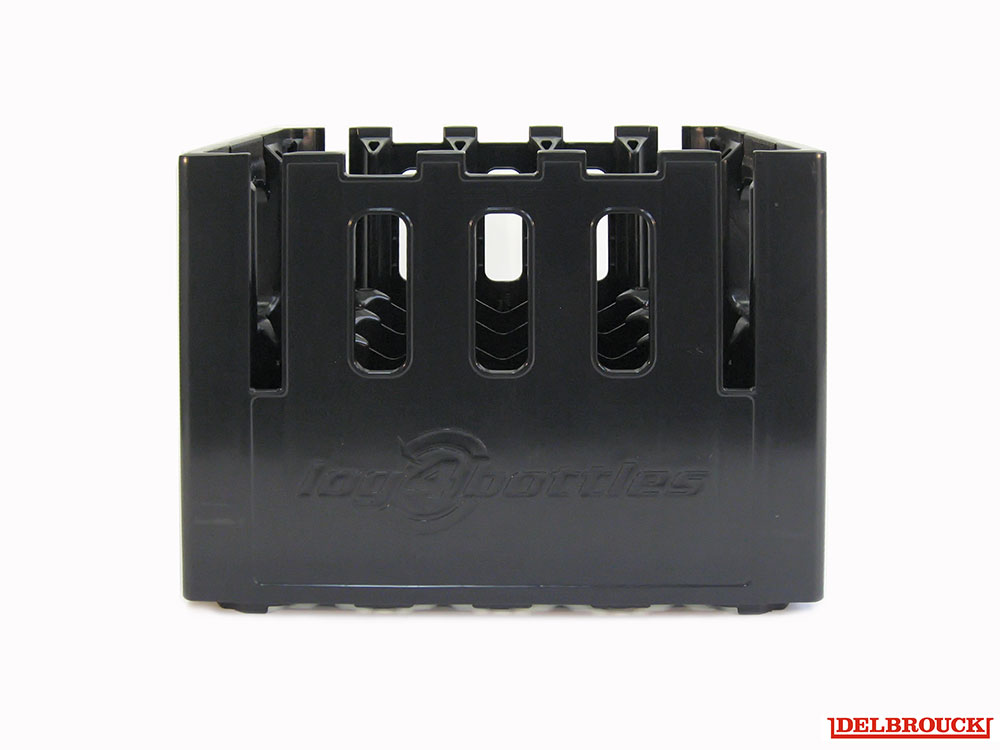
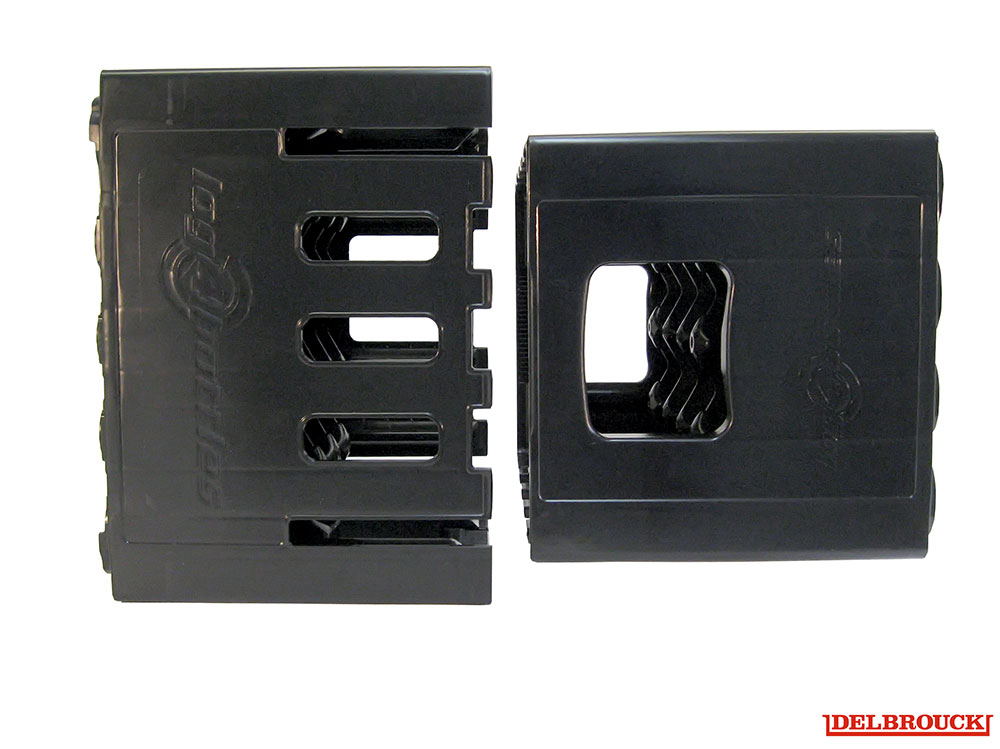
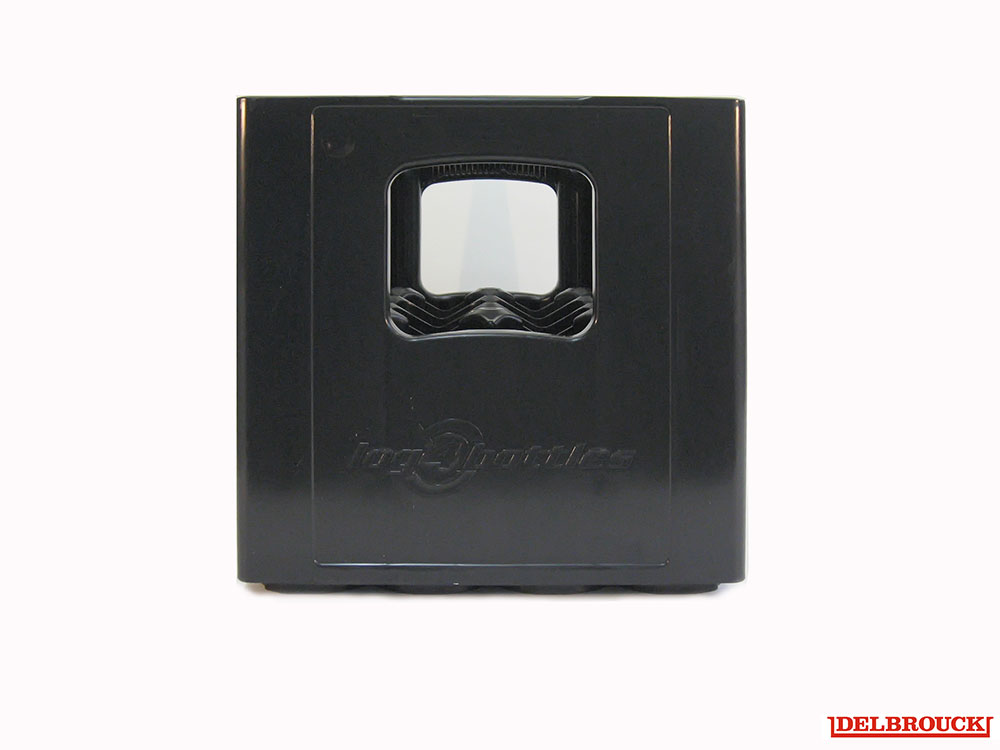
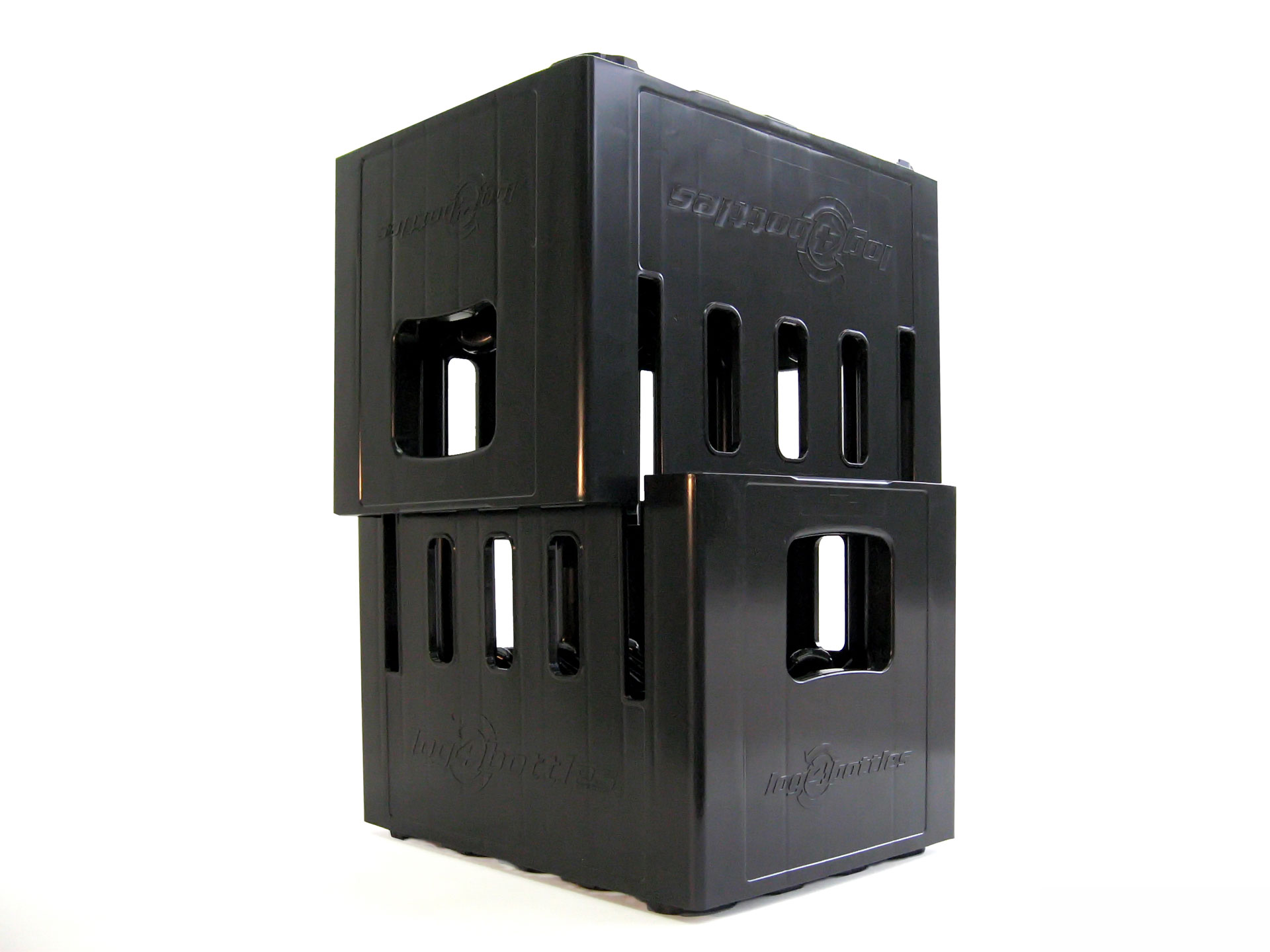
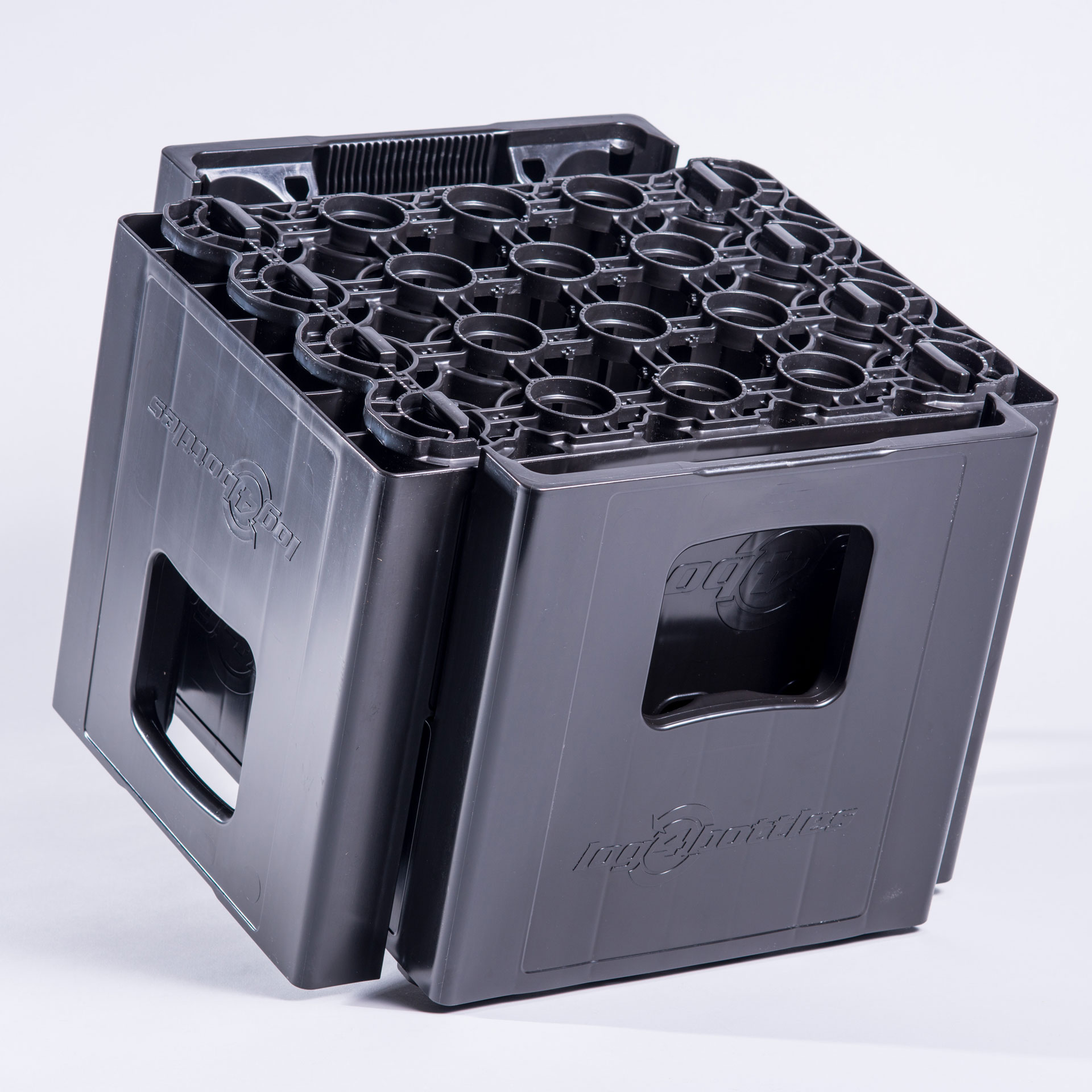
This is exactly where KUBI comes in . The cross-stackable universal beer crate was developed to resolve these structural contradictions without creating new complexity.
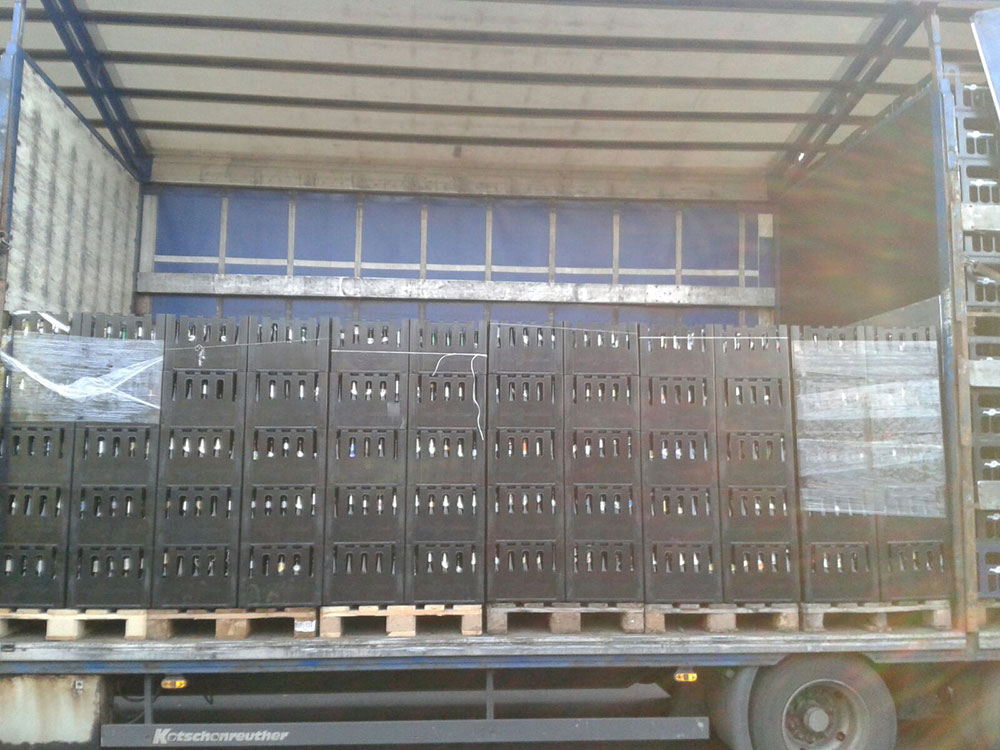
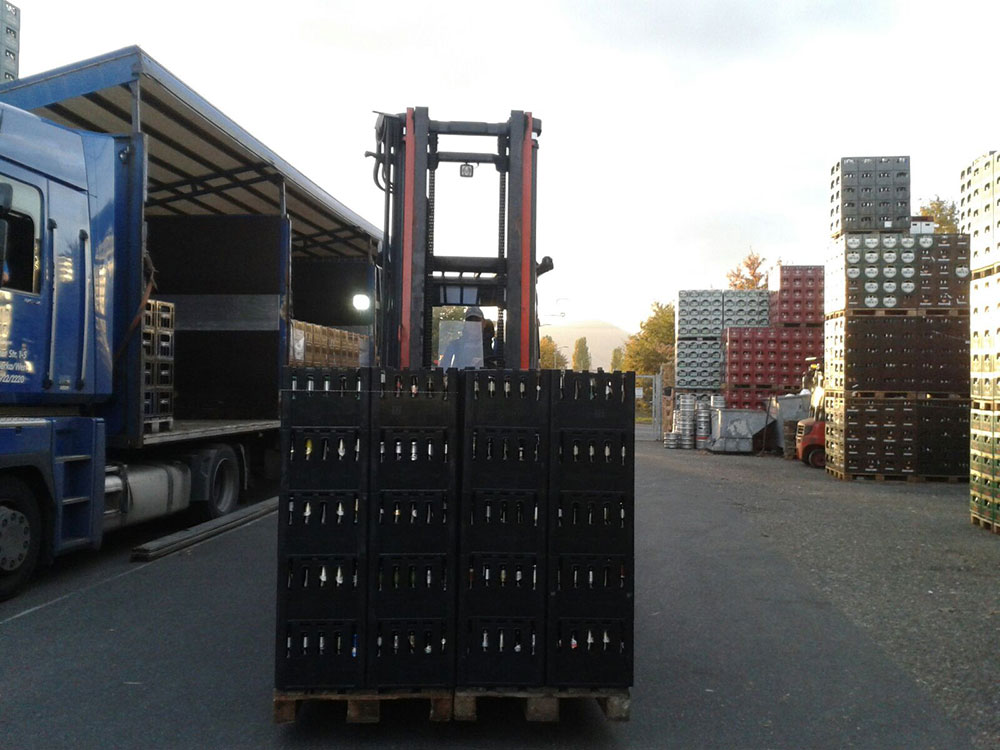
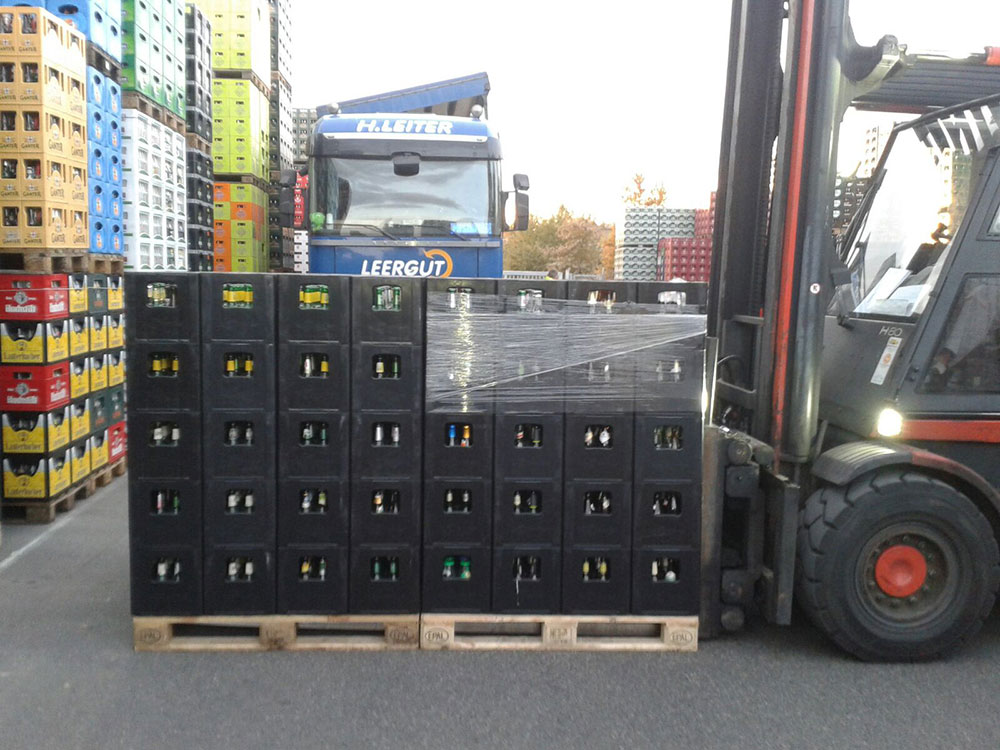
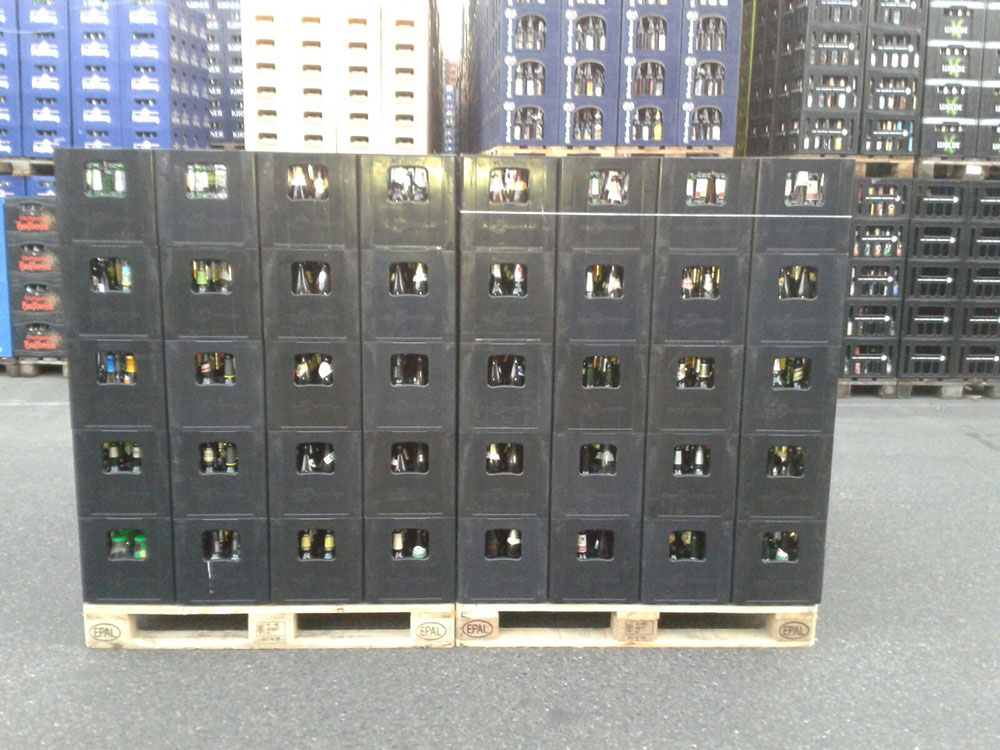
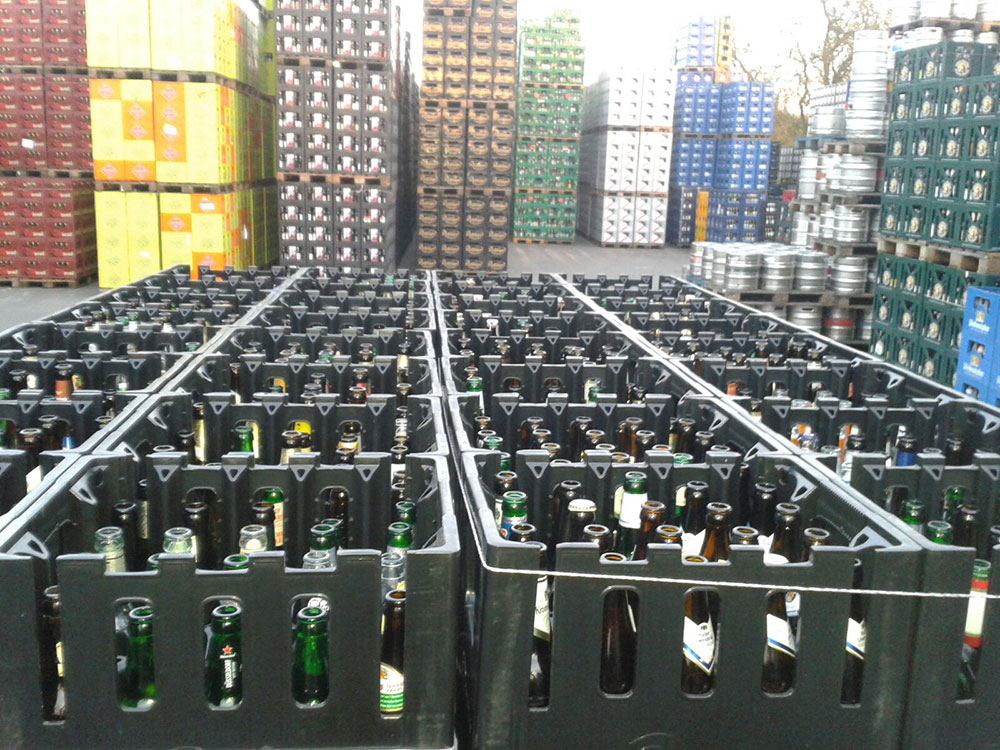
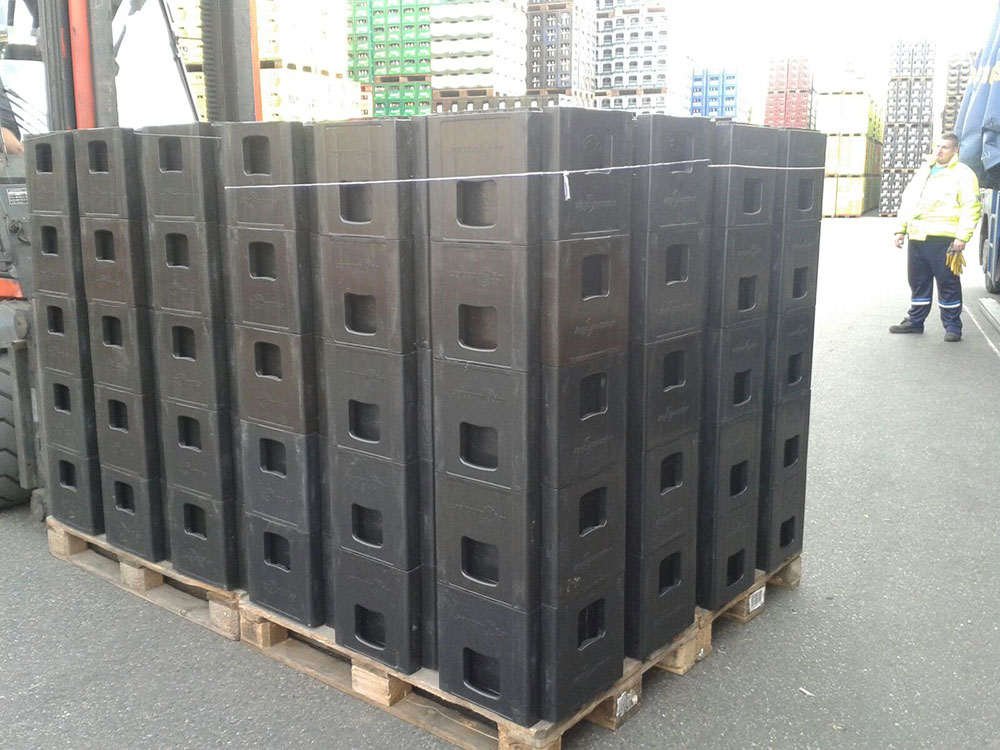
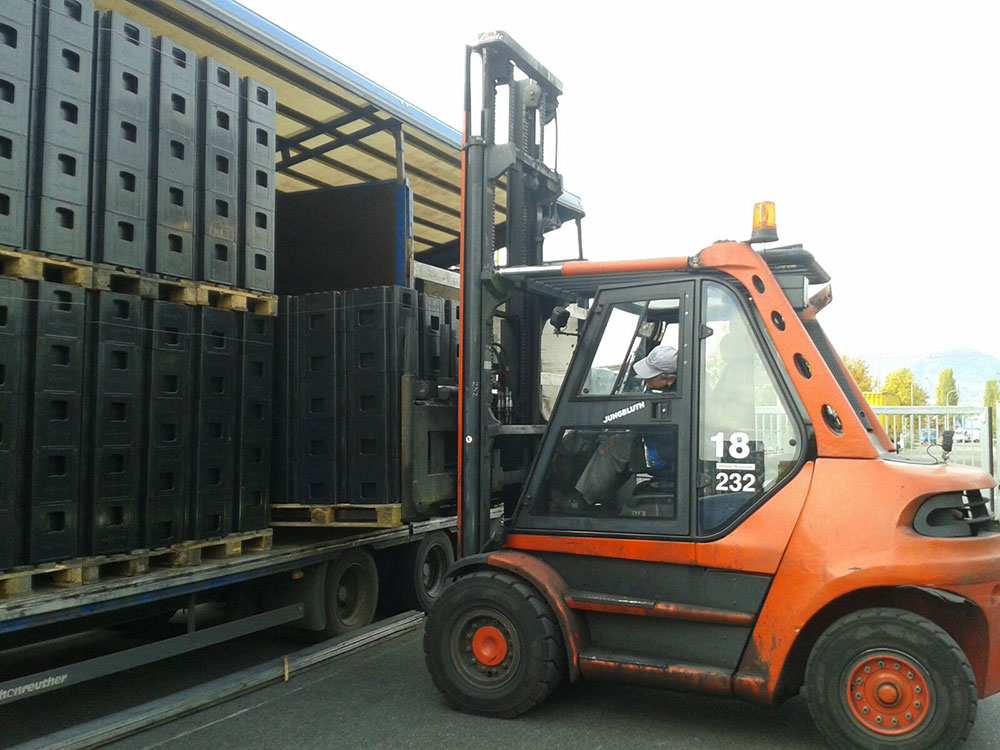
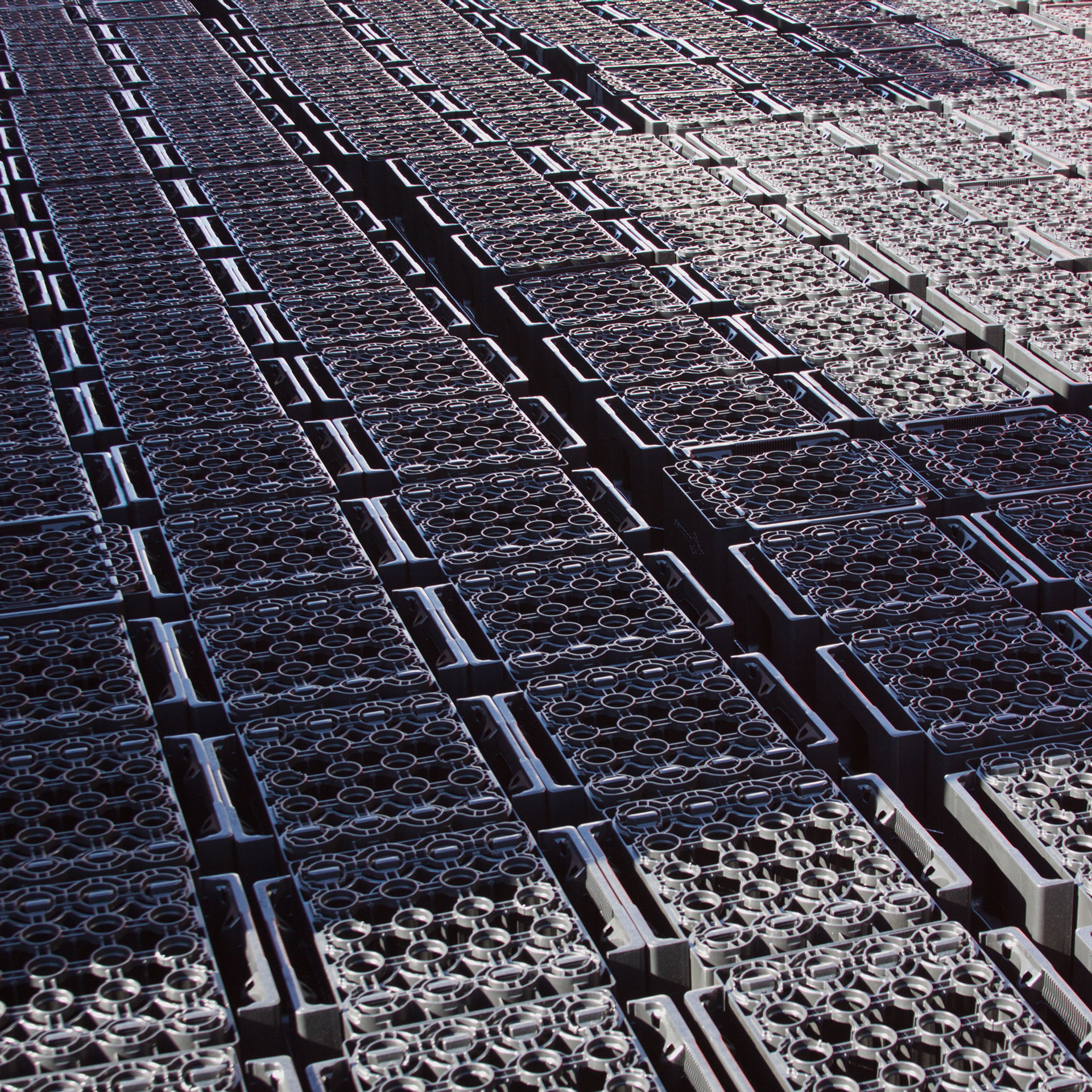
When empty, KUBI reduces volume by up to 50 percent. Instead of eight crates, twelve can be transported per layer on a Euro pallet. This reduction is not a theoretical value, but a real lever for storage, transport, and logistics. When full, the benefits remain intact. KUBI behaves like a classic beer crate, with no restrictions in handling.
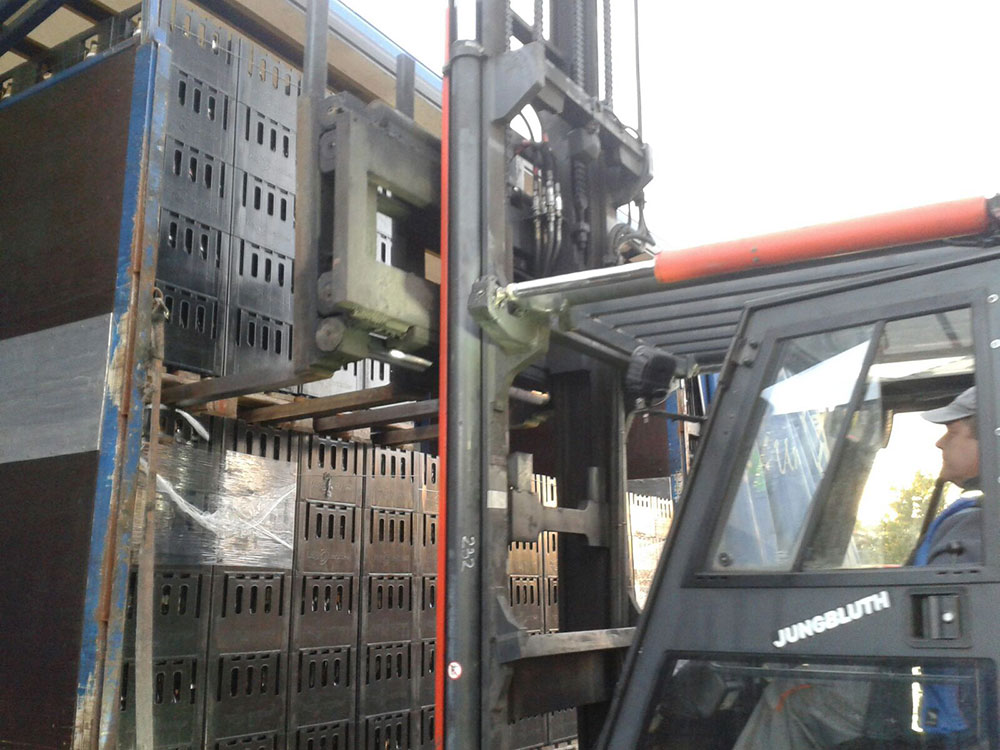
KUBI can be loaded with empty bottles either manually or by machine. The load is secured in the usual way. Empty and full bottles can be loaded in two layers. The crate is compatible with all standard bottle types, from 0.5 l to 0.33 l and swing-top bottles.
The decisive factor is that KUBI can be processed fully automatically on existing standard sorting systems. There is no system break, no special logistics, no isolated solution.
The advantages. Measurable, not theoretical
KUBI significantly reduces storage space and costs. This applies both to the point of sale, even where space for returning empties is limited, and to the empties storage area, where KUBI can be stacked up to four Euro pallets high.
Because of the reduced volume when empty, more crates can be transported per pallet, and transport capacity can be utilized more efficiently. Seasonal spikes in container demand can be accommodated without creating a permanent surplus. The amount of empty containers left unaccounted for in retail is reduced, bottles are better protected, and damage is minimized.
KUBI is made from 100 percent recycled material, thereby contributing to a more resource-efficient use of plastics.
Why traditional solutions fail
A look at the market reveals the same weaknesses time and time again. Unstable stacks, inefficient empty transport, damaged bottles due to improper storage. Micro-cracks that are only detected late cause rejects and complaints. At the same time, there is often a lack of space at the POS and in the return of empties, while storage space is unnecessarily tied up.
These problems are not exceptions, but the result of unsuitable systems.
Conclusion
KUBI was right in 2016. Not by chance, but because the analysis was correct. Today, the situation is even clearer. The problems are bigger, the pressure to act is greater.
It's no longer about innovation for its own sake. It's about functioning systems in a market that is changing faster than many processes. KUBI is made for this. Since 2016.
The confirmation. Even back then
In 2016, KUBI was awarded the Pro-K Award in Gold and the German Packaging Award in the category of economic efficiency. The jury praised:
"A perfect idea for a proven product for space-saving transport. A technical solution that can only be realized with plastic."
