
The Role That Standardized Reusable Systems Can Play in the Food Industry
The demands placed on packaging are changing. Rising raw material and energy costs, stricter regulatory requirements, and growing sustainability demands are leading more and more manufacturers to seek cost-effective alternatives to traditional single-use packaging.
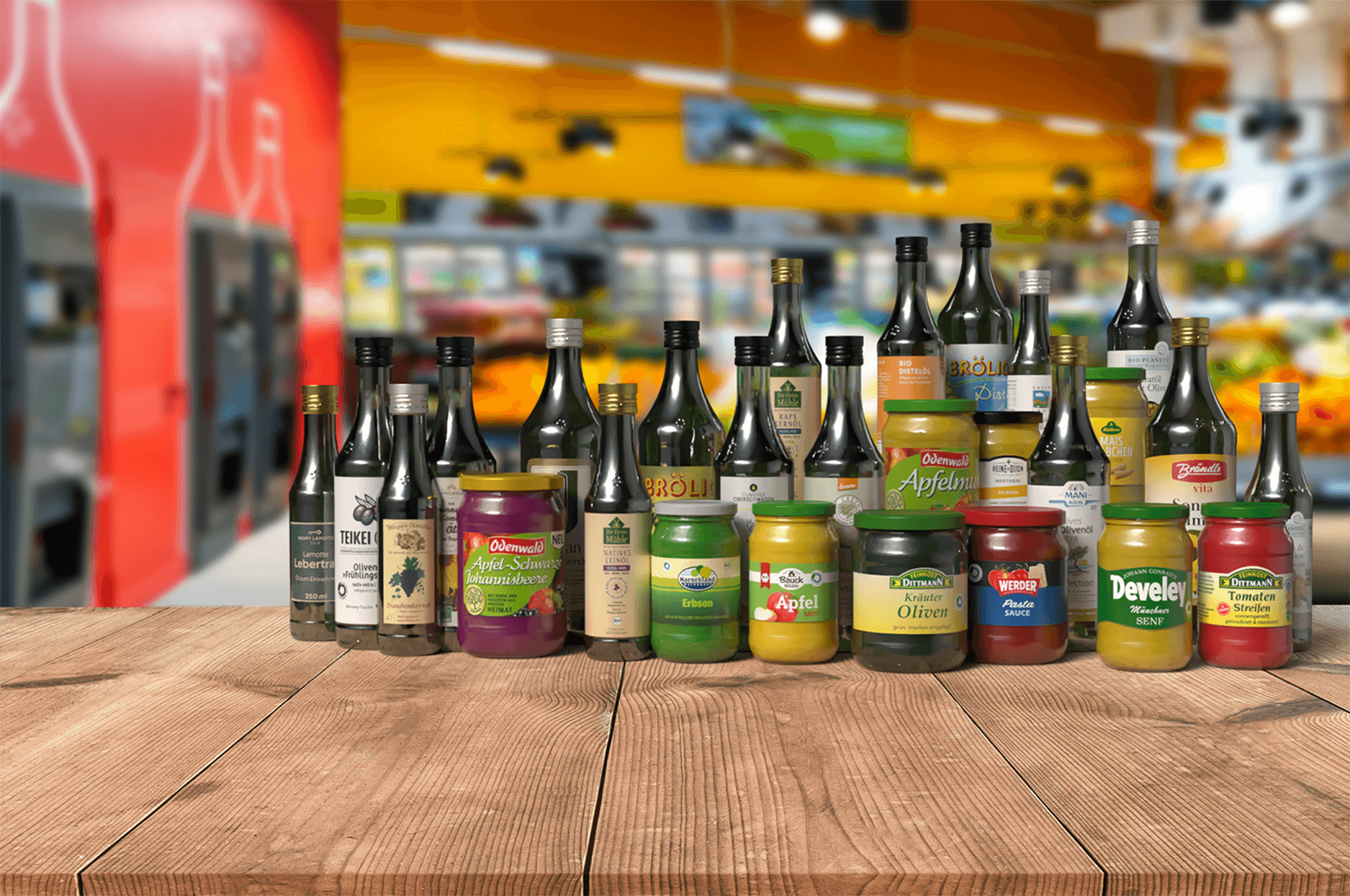
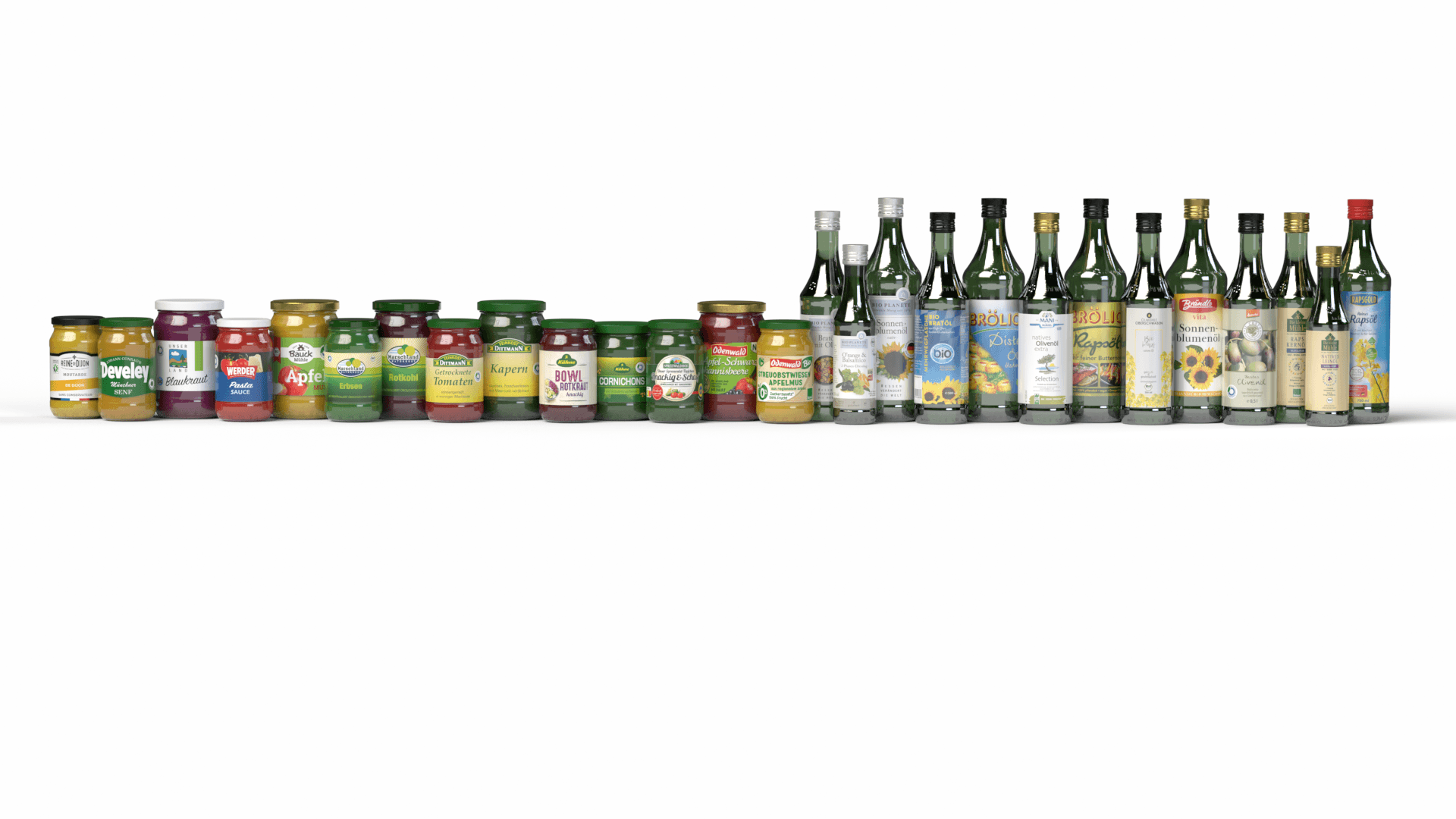
A recent example of this is the “Glas kann mehrWeg” initiative. More than 20 manufacturers in the canned fruit and vegetable, deli, cooking oil, vinegar, mustard, and sauce sectors have joined forces to establish a shared reusable glass system for prepackaged foods in retail stores.
Standardization as the Key to Success
For reusable systems to work on a large scale, all stakeholders along the supply chain must work together. Standardized containers, uniform processes, and an efficient packaging return system are crucial to this.
The principle is simple:
- Manufacturers fill standardized reusable containers.
- The products will be sold in stores as usual.
- Consumers return the empty containers to existing deposit machines.
- The packaging is collected, cleaned, and returned to the recycling cycle.
Only through standardized solutions can such cycles be operated in a cost-effective and scalable manner.
Reusable products are becoming increasingly attractive from an economic standpoint
The regulatory environment for single-use packaging is changing significantly. Rising packaging license fees, higher energy prices, and increasing CO₂ pricing are putting greater economic pressure on traditional single-use solutions.
Reusable systems offer a key advantage here: packaging is not used just once, but goes through numerous cycles. By reusing packaging multiple times, the need for new production can be reduced. The actual environmental impact of a reusable system depends, among other things, on the number of cycles, transportation routes, cleaning, and the single-use system being compared.
Studies also show significant environmental benefits. In the case of prepackaged foods alone, up to 710,000 metric tons of packaging waste and 409,000 metric tons of CO₂ could be saved annually. Furthermore, greenhouse gas emissions caused by packaging can be reduced by up to 58 percent if single-use glass containers are replaced with reusable ones.
Reusable products require the right logistics
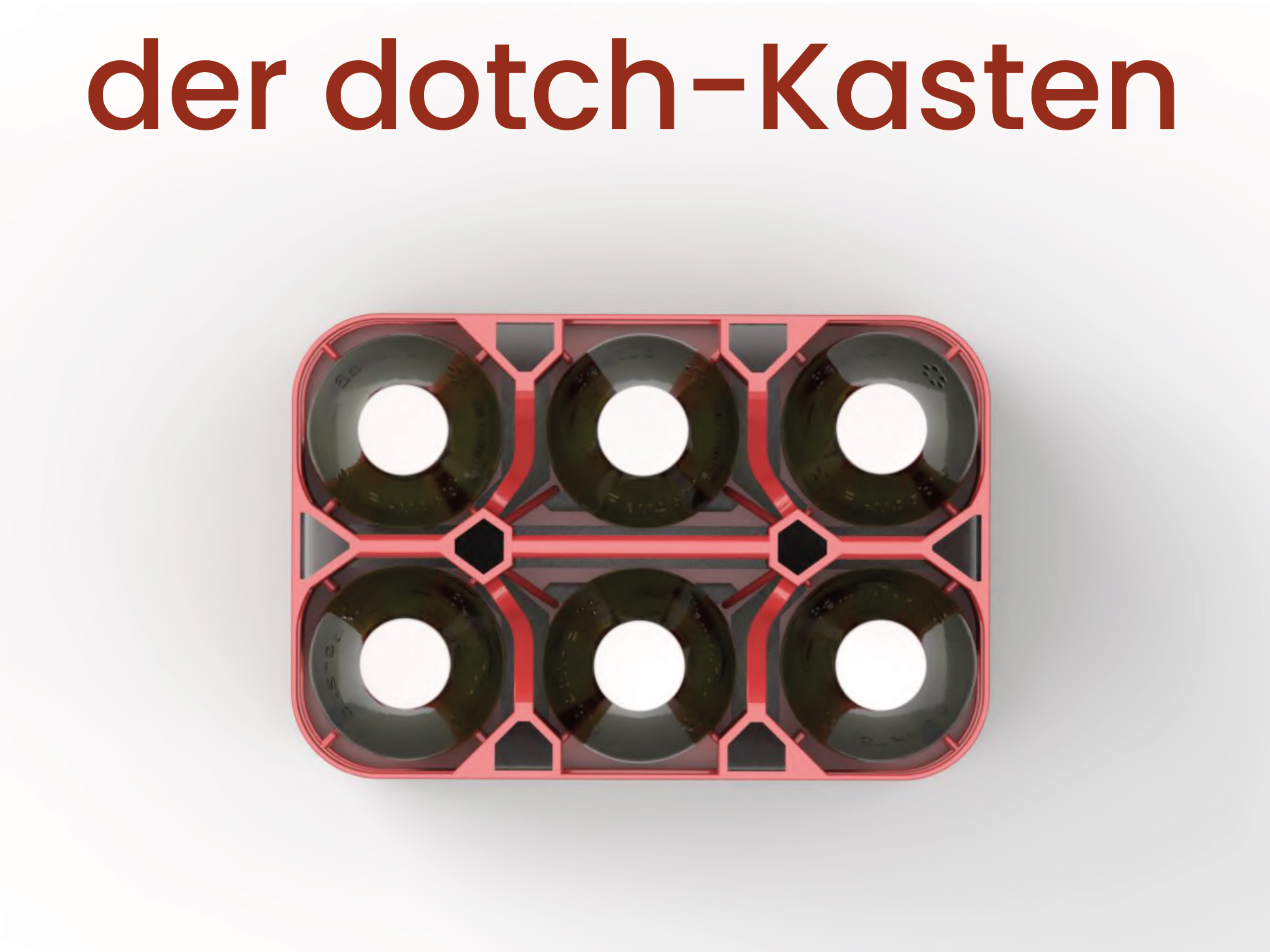
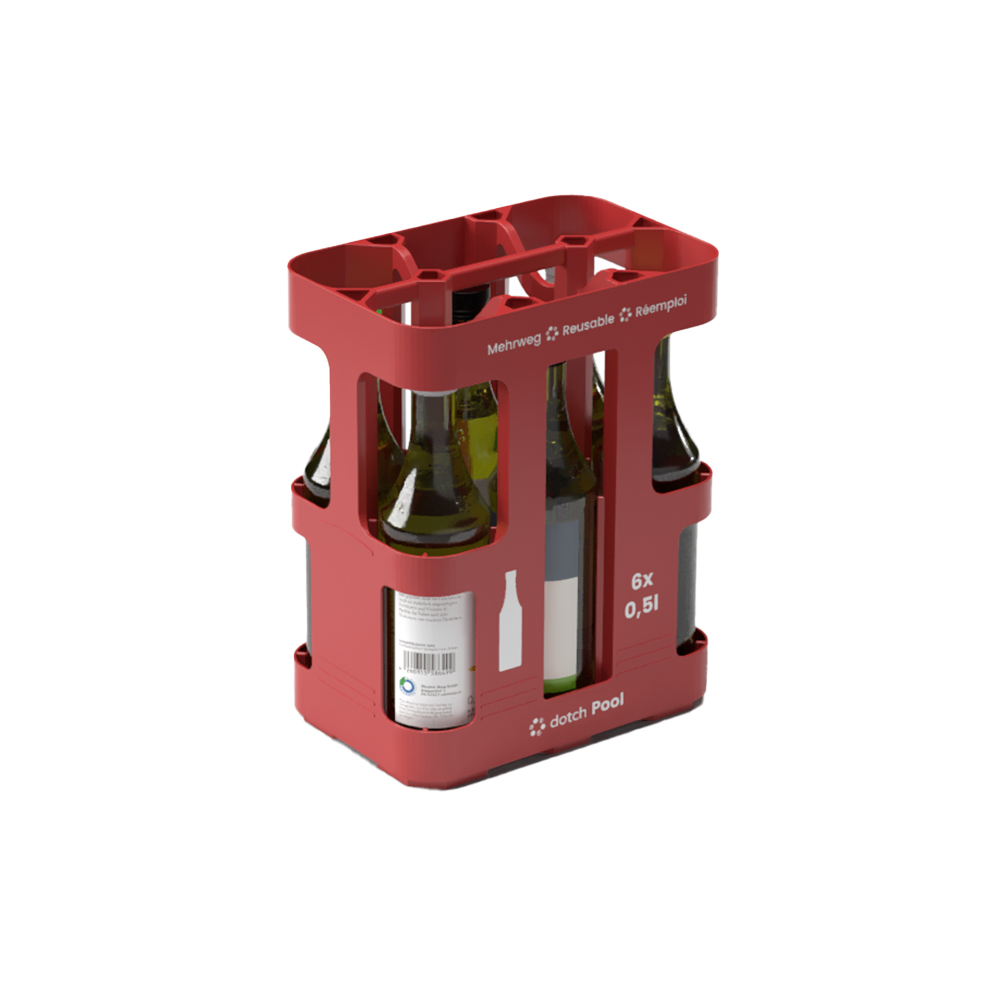
In addition to the actual packaging , transport crates and returnable crates also play a key role. They ensure that glass containers can be handled safely during transport, storage, and return, and support efficient logistics processes within the returnable container cycle.
Especially as circulation figures rise, robust, durable, and standardized reusable solutions are a key component of the overall system's cost-effectiveness.
Your Partner for Reusable and Logistics Solutions
We look forward to discussing new projects and support companies in developing and implementing reusable packaging and logistics solutions tailored to their specific product and process requirements.
Feel free to contact us!
